
Bench Warrants in St. Charles Parish
A bench warrant is a judge's order against someone who skipped a court obligation. A missed appearance is the usual trigger, but a bail-condition problem, contempt, or an unpaid obligation can produce one too. St. Charles Parish courts use the plain words bench warrant or warrant for arrest. The Texas term capias pro fine does not appear in local usage. Routing depends on the type. A district-court bench warrant sits with the 29th Judicial District Court, while a lower-court matter belongs to the JP district that issued it. The Sheriff can hold and serve the paper. He cannot withdraw it. Only the issuing court can recall its own warrant, so that is where any fix begins.
How a St. Charles Parish Bench Warrant Is Issued
The controlling provision is Louisiana Code of Criminal Procedure Art. 333. It says that when a properly noticed defendant fails to appear at the required time, the court issues a warrant for arrest. The clerk's notice then runs to the prosecutor, the defendant, and any surety or bail agent on the bond. Notice is the hinge of the article. It describes a failure to appear after notice, not a missed date standing alone. That is also why a St. Charles Parish bench warrant can catch people off guard. Court notices go to a last known address, so a move can hide the warning. Learn of a warrant before the court date? Treat the notice as the first document to find, and ask the court about the case posture instead of guessing from the warrant itself.
The 29th JDC Docket in St. Charles Parish
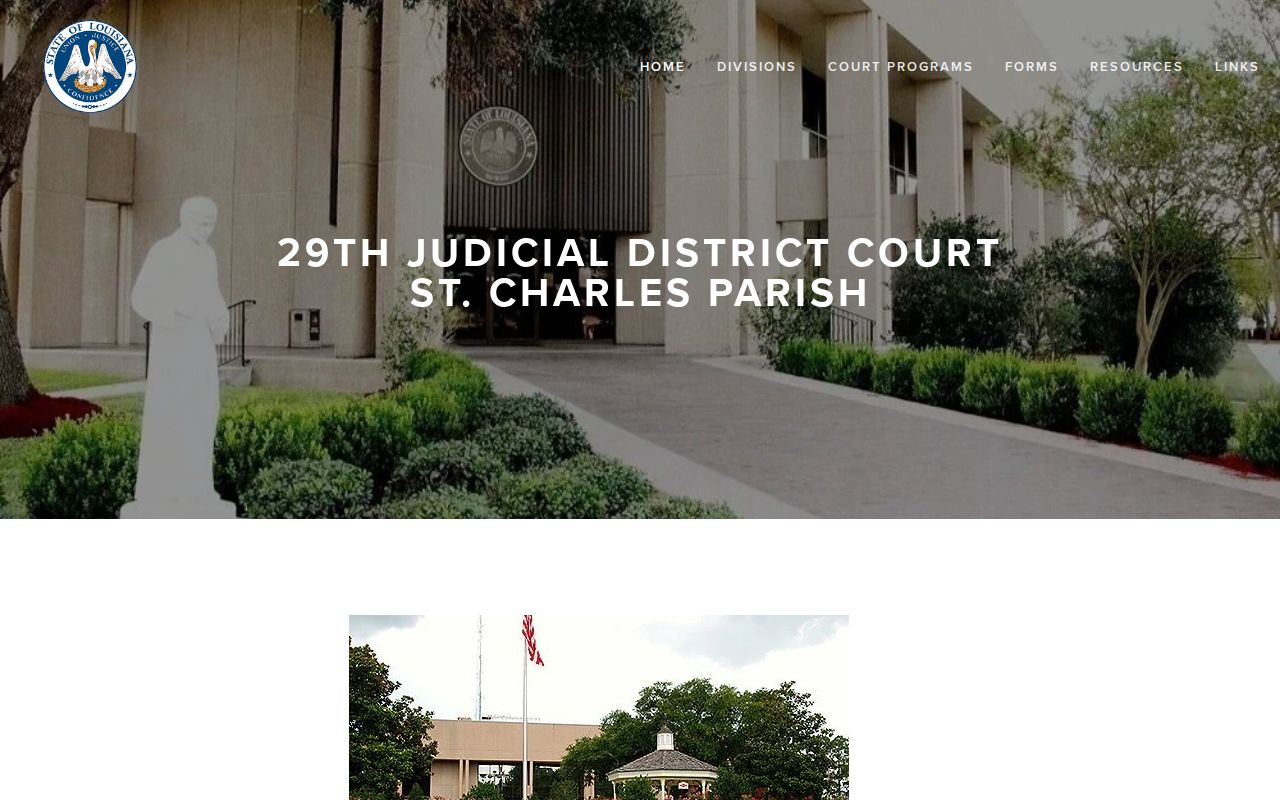
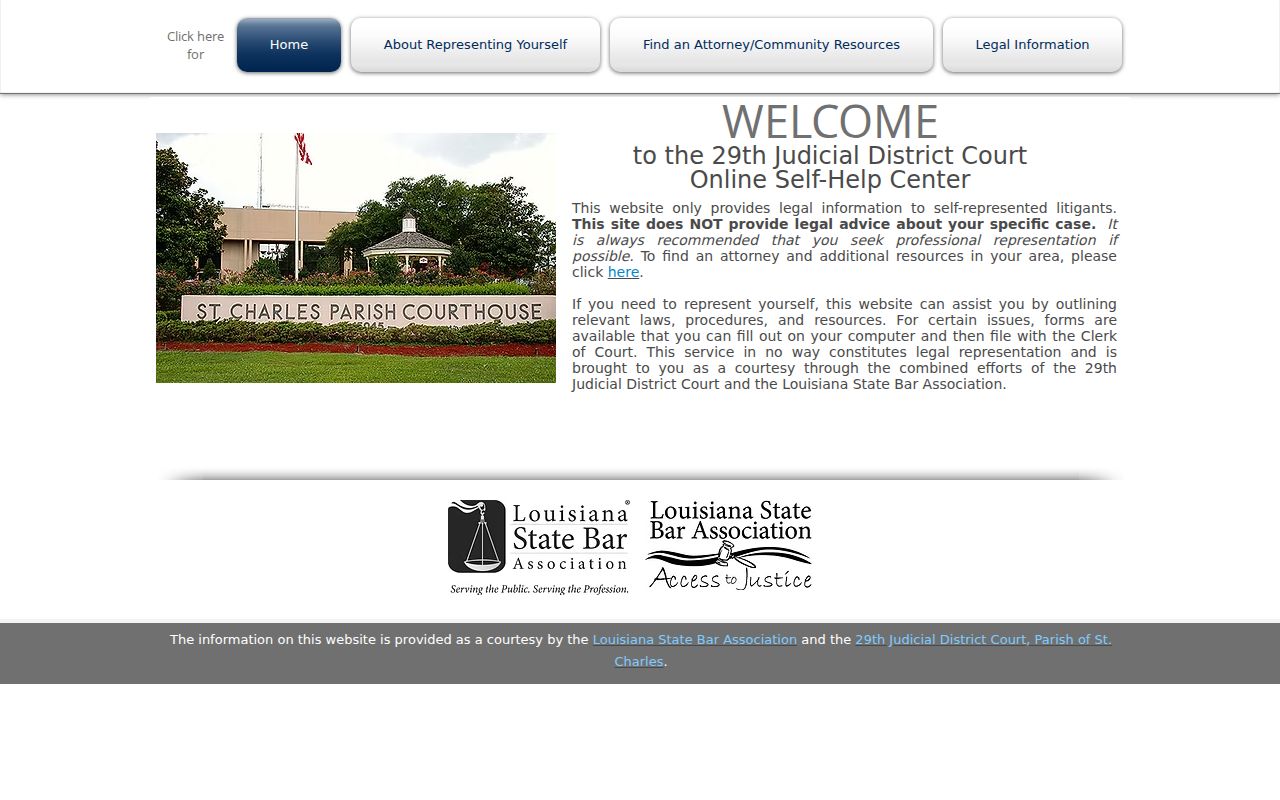
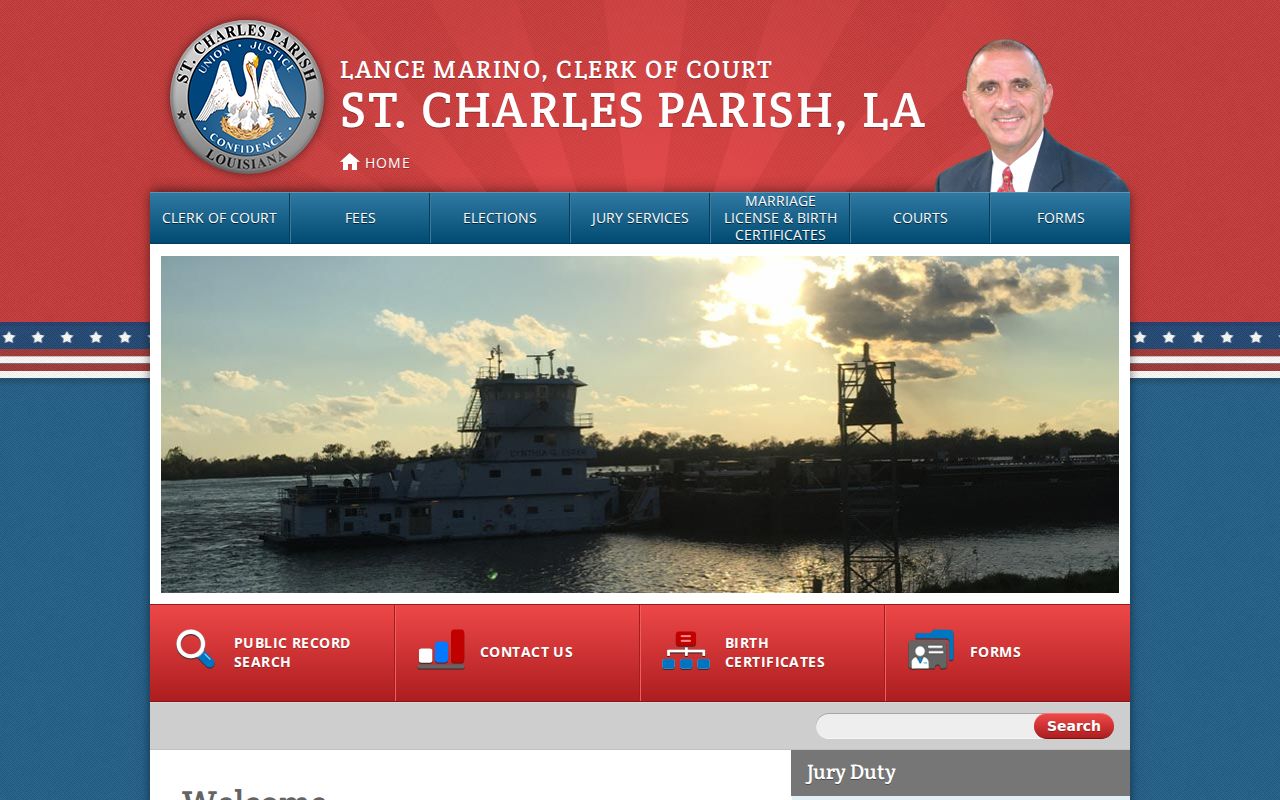
The 29th Judicial District Court is the general-jurisdiction court for St. Charles Parish, handling civil, criminal, and juvenile matters, with appellate jurisdiction over the JP courts. It runs three divisions, C, D, and E. The division matters. A generic contact cannot schedule a hearing or recall another division's process. Division E's public page lists (985) 783-2923, and the Clerk of Court at (985) 783-6632 keeps the docket. The court also publishes a self-help center with forms and procedure, under a legal-information-only notice.
The self-help center is a forms and procedure resource, not a records desk.
The Clerk of Court site is the official filing office for district-court matters.
St. Charles Parish Bench Warrant vs Arrest Warrant
In St. Charles Parish, the two papers look alike and behave differently. An arrest warrant grows out of an alleged offense. A bench warrant grows out of a court obligation. That difference decides who can clear it and how fast it usually resolves.
| Point | Bench Warrant | Arrest Warrant |
|---|---|---|
| Trigger | A missed date or another court obligation | A sworn affidavit and probable cause |
| Issued by | The judge in the case | A magistrate or judge |
| Legal basis | Art. 333 | Art. 202 and Art. 203 |
| Typical fix | A new setting, payment, or a motion to recall | Bond, counsel, and a court appearance |
| Where it lives | The issuing court, JP or district | The district court, tracked by the Sheriff |
When a Missed Traffic Date Becomes a Bench Warrant
Traffic cases follow the same court-compliance logic with one added layer. La. R.S. 32:57.1 covers a failure to honor a written promise to appear. It allows notice to the Department of Public Safety and Corrections and the Office of Motor Vehicles, warns of possible suspension, and provides a cure through appearance or payment of the court-determined fine plus the statute's $100 department payment when a suspension occurred. Treat it as a court problem first. Paying a citation is not the same as clearing the warrant, and a reinstated license does not mean the court withdrew its process. Confirm both separately. The traffic warrant page walks through the payment routes.
How to Resolve a St. Charles Parish Bench Warrant
Call Before You Go. No current official source describes a walk-in surrender policy, a universal recall fee, or warrant-clearance hours for this parish. Ask the issuing court what it requires, and ask whether counsel should appear before you do.
The steps below take the court-first route that fits both the district court and the JP districts in St. Charles Parish. None of it lets you skip the issuing court.
- Find the notice, citation, or docket number and note the court and date on it.
- Call that court and ask whether the matter is a warrant, a missed appearance, or an ordinary continuance issue.
- Ask what the court requires: a new date, a motion, a payment, an appearance, or counsel.
- Ask whether a surety or bail agent must also receive notice.
- Pay only through the route the court names, and keep the receipt.
- Confirm that the court record shows a recall or a satisfaction, and note the date and the person who confirmed it.
Surety Notice After a St. Charles Parish FTA
Art. 333's notice rules reach past the defendant. When a commercial surety or bail agent is involved, the clerk's notice requirements cover those parties too, and a failure to appear can hit the bond relationship as well as the case. Two problems can land at once: a warrant and a bond issue. Anyone who posted bond for another person in St. Charles Parish should ask the court whether the surety was notified and where the bond stands now. Those questions belong to the court and a licensed bail professional, not a payment counter.
Which St. Charles Parish Court Issued Warrants
Venue first. A 29th JDC bench warrant belongs to the division that had the case, so that is where any recall or quash request goes. A justice of the peace bench warrant belongs to the specific district that issued it. No other JP district can resolve it. Traffic matters start with the venue printed on the citation. Family and child-support cases run through the district court in St. Charles Parish. Confidentiality rules can keep those files from general release. Remember that issuance and service are two steps. The court issues the process, and a peace officer serves it. That split explains why the Clerk can describe the docket while the Sheriff describes execution, and why a call to the wrong office ends in a referral rather than an answer.
Bench Warrant Terms: Recall, Quash, and Satisfied
Bench warrants end in more than one way. St. Charles Parish courts record the outcome as a recall, a quash, or satisfied, and those terms are not interchangeable. Ask which one was recorded. The answer shapes what you tell the next office that asks.
- Recalled
- The issuing court withdrew the warrant. Only that court can do it.
- Quashed
- A judge set the process aside, usually after a motion or an appearance.
- Satisfied
- A court obligation was met. It does not always mean the warrant was withdrawn.
- Reset
- A new court date replaced the missed one. A reset may accompany a recall rather than replace it.
- Forfeiture
- A bond consequence after a failure to appear, which is separate from the warrant itself.